Back to Intelligence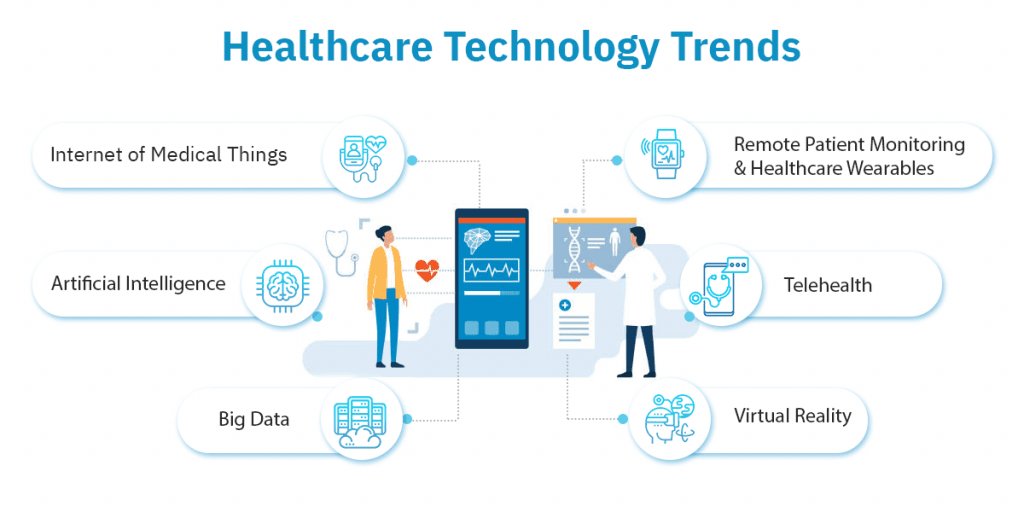
Technology
1/22/2026
5mins
Breakthrough Technologies Changing Healthcare in 2026: From Diagnosis to Treatment
Sourabh Raikwar
The future of healthcare in 2026 is being shaped by breakthrough technologies that are making care more accurate, accessible, and personalized. Medical innovation is no longer limited to hospitals and labs; it is integrated into everyday life, improving prevention, diagnosis, and treatment across the healthcare ecosystem.
- Artificial Intelligence in Medical Diagnosis
- AI-powered diagnostic tools analyze medical images, lab results, and patient data with high accuracy. These systems assist doctors in detecting diseases earlier, reducing diagnostic errors, and speeding up clinical decision-making.
- Wearable Health Monitoring Devices
- Wearable technology tracks vital signs such as heart rate, blood oxygen, and activity levels in real time. These healthcare technology trends support preventive care by identifying health issues before they become critical.
- Telemedicine and Virtual Care Platforms
- Telemedicine continues to expand access to healthcare services. Patients can consult specialists remotely, reducing travel time and costs while improving continuity of care.
- Personalized Medicine and Genomics
- Advances in genomics allow treatments to be tailored to an individual’s genetic profile. This medical innovation improves treatment effectiveness and reduces side effects, especially in cancer and chronic disease management.
- Robotics in Surgery and Rehabilitation
- Robotic-assisted surgeries increase precision and reduce recovery time. In rehabilitation, robots help patients regain mobility through guided physical therapy, improving long-term outcomes.
- 3D Printing in Medical Applications
- 3D printing is revolutionizing prosthetics, implants, and even tissue engineering. Customized medical solutions can now be produced faster and at lower costs.
- Blockchain for Health Data Security
- Blockchain technology enhances data security and transparency. It ensures safe sharing of patient records while maintaining privacy, an essential aspect of the future of healthcare.
- Smart Hospitals and IoT Integration
- Internet of Things devices connect medical equipment, patient rooms, and monitoring systems. Smart hospitals use real-time data to optimize workflows and improve patient care efficiency.
In conclusion, healthcare technology trends in 2026 are redefining how medical services are delivered. From AI-driven diagnosis to personalized treatments, medical innovation is creating a more proactive, efficient, and patient-centered future of healthcare.